Guides worth reading
Star atlas is a AAA space MMO built around Galia, fleets, and the ATLAS economy
Star atlas is a sci-fi online game universe where players explore the Galia galaxy, command ships, fight over resources, and interact with a blockchain-based economy powered by ATLAS and POLIS. Its main identity is not just space combat; it is the combination of Unreal Engine-style game presentation, browser strategy modules, ship ownership, crafting loops, and a marketplace where players trade game assets on Solana.
The Galia setting gives the game its strategic map
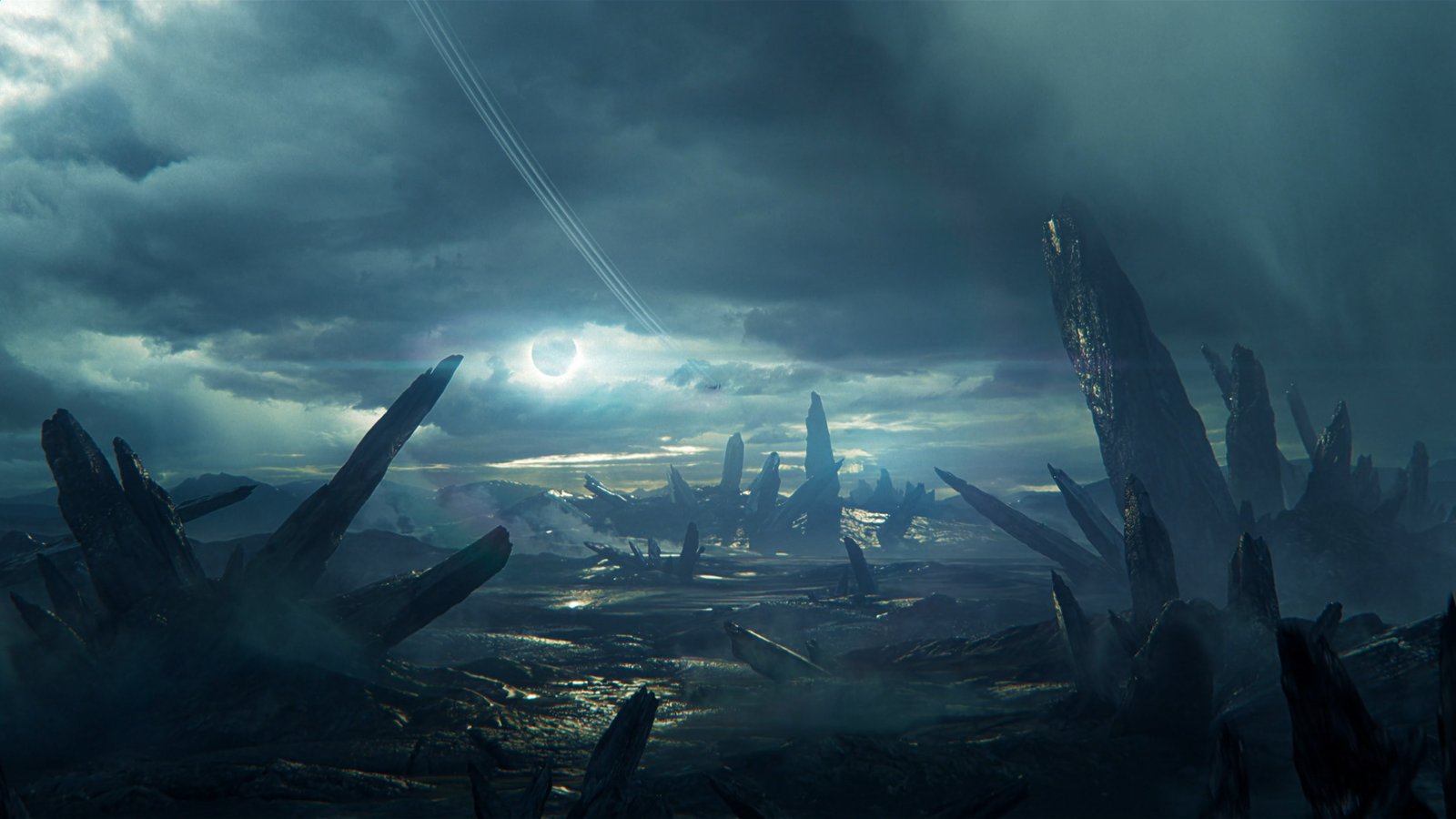
Galia is the fictional galaxy where the project's factions, resources, ships, and political conflict come together. The setting frames exploration as more than scenery: players scan sectors, move fleets, gather materials, and compete for territory. That makes the game closer to a living space economy than a single arena title, because decisions about where ships go and what they carry influence what a player earns or risks.
Star atlas uses that galaxy as the backdrop for several play styles. The cinematic client focuses on ships, environments, and direct action. Browser-based modules handle fleet management, economic production, and simulations that make the universe playable before every final game mode is complete. This staged approach gives the ecosystem activity through separate products rather than waiting for one monolithic launch.
ATLAS and POLIS split spending power from governance
The economy uses two recognized tokens with different roles. ATLAS is the utility currency for marketplace activity, rewards, and in-game economic flow. POLIS is associated with governance and longer-term influence over the ecosystem. Separating those roles matters because the everyday currency of play has different pressures from the token tied to voting and strategic direction.
Inside the game loop, ATLAS connects to the practical side of activity: fleet deployment, production, trade, rewards, and item markets. POLIS fits the broader metagame, where governance participation and faction-level decisions matter. Together they give Star atlas a structure that blends traditional MMO resource planning with tokenized ownership and on-chain settlement.
SAGE Labs turns ships into a browser economy
SAGE Labs is one of the clearest examples of how the universe works outside the main cinematic client. It lets players manage fleets, mine resources, craft items, and scan for SDUs through a browser interface. The design is more about logistics than reflexes: assign ships, plan routes, process materials, and keep production moving.
This matters because the economy needs supply chains. A combat-heavy space game needs ammunition, ships, components, fuel, and materials behind the scenes. SAGE Labs gives economically minded players a way to participate through production and resource movement, while still tying their activity back to the same broader Star atlas world.

Holosim makes fleet command easier to try
Holosim is positioned as a free-to-play in-universe simulation for strategic fleet gameplay in the browser. It removes several entry barriers because players do not need high-end hardware, ships, or a crypto wallet to test the style of command. That is important for a project with ambitious graphics, because not every curious player starts with a gaming PC and purchased fleet assets.
The experience also previews the strategic layer: managing groups of ships, reading the state of a battle or map, and thinking from a commander's perspective rather than a pilot's cockpit. It gives the project a lower-friction route for onboarding people who want to understand the tactics before they enter the deeper economy.
Ship ownership, crafting, and marketplace trade form the core loop
The Galactic Marketplace gives players a venue for trading ships and other game assets. In a conventional MMO, a rare item stays inside the publisher's database. Here, asset ownership is connected to Solana-based infrastructure, which makes trading part of the larger crypto gaming thesis. The important point is practical: the ship is not just a visual collectible; it feeds into exploration, fleet planning, production, and identity.
A typical economic path looks like this:
- Choose ships or assets that match a role, such as hauling, mining, combat, or scanning.
- Deploy fleets into activities that produce materials, data, or strategic progress.
- Use crafting and supply chains to turn raw inputs into more useful goods.
- Trade assets or outputs through marketplace activity using the game economy.
- Reinvest into stronger fleets, better positioning, or broader production capacity.
That loop is the reason Star atlas attracts both gamers and crypto-native users. The gaming side supplies the fantasy of a galactic empire; the market side gives every ship and resource a place in a wider exchange network.
Combat ranges from cockpit action to faction pressure
The project describes ship-to-ship combat, FPS encounters, shooter arena battles, racing tracks, PvE dogfights, and fleet command. Those modes point to a hybrid structure: some sessions focus on direct action, while others focus on strategic placement and resource control. The same universe supports twitch gameplay and slower planning rather than forcing all players into one tempo.
Territory gives conflict its purpose. Fighting over space only works when the location has value, and Galia's resources create that value. A fleet sent to explore, mine, or defend a route becomes part of a larger political map. That is where the game's MMO ambition shows most clearly: the real competition is not only who wins a match, but who builds the strongest position over time.
Getting started without buying a full fleet first
A new player does not have to begin with a large asset purchase. The practical path is to explore the available game modes, try browser-based experiences, learn the factions and resource vocabulary, and understand how ATLAS is used before making larger marketplace decisions. Holosim is especially useful for testing strategic play, while SAGE Labs introduces the economic language of fleets, mining, crafting, and scanning.
Wallet setup becomes relevant once a player moves into token and asset ownership. Because the ecosystem connects to Solana, users who interact with tokens, NFTs, or marketplace assets need a compatible wallet and enough SOL for network fees. The main caution is custody: losing wallet access means losing control of the assets tied to that wallet.
What players gain from the player-driven economy
The strongest appeal is agency. A player who likes combat, trading, logistics, exploration, crafting, or speculation sees a different route through the same universe. Star atlas is built around the idea that economic activity should not be decorative; production, market demand, and fleet deployment shape what happens in the galaxy.
This creates several kinds of value inside play. A ship has a role. A route has a cost. A crafted item exists because somebody gathered inputs. A marketplace price reflects other players' demand rather than a fixed vendor table. That design gives the economy texture, especially for players who enjoy planning as much as fighting.
Risks sit where games, markets, and long development meet
Ambitious blockchain games carry a specific mix of risks. Token prices move independently of game quality, asset markets change quickly, and a large MMO takes years to mature. Early modules show the direction of the project, but the full vision includes many moving parts: polished combat, fleet strategy, browser systems, faction politics, and a sustainable economic loop.
That does not make the universe thin; it means the project should be understood as a developing game ecosystem rather than a finished boxed release. A player who enters Star atlas for gameplay will judge it by the modes already available, while an economy-focused user will pay closer attention to liquidity, crafting demand, and whether real player activity supports the market.

Alternatives for different space and crypto gaming tastes
Players who want a traditional space simulation compare the fantasy to games such as EVE Online, Elite Dangerous, and Star Citizen. EVE Online is known for player politics and deep industrial systems. Elite Dangerous leans into piloting, exploration, and a huge simulated galaxy. Star Citizen emphasizes high-fidelity ships and immersive first-person environments.
The difference is that Star atlas combines a space MMO pitch with Solana assets and a two-token economy. Crypto gaming alternatives also exist, but many lean toward simpler collectibles or battle formats. This project's distinctive angle is the attempt to connect high-production space gameplay, browser strategy, and a real marketplace into one persistent setting.
Helpful answers about Star atlas
- What tokens does the Star Atlas economy use?
- The economy uses ATLAS and POLIS. ATLAS functions as the main utility token for in-game economic activity, rewards, and marketplace participation. POLIS is tied to governance and broader influence over the ecosystem. The split gives the game one token for day-to-day utility and another for decision-making power across the project.
- Do I need a crypto wallet to try the game?
- You need a compatible wallet when you want to own or trade blockchain assets, use tokens, or interact with marketplace features. Some browser experiences, such as Holosim, are designed to reduce the barrier for first-time users and do not require ships, high-end hardware, or a wallet just to explore the strategic concept.
- Can players earn ATLAS through gameplay?
- The ecosystem is designed around earning and spending ATLAS through economic participation, especially activities connected to fleets, resources, crafting, and marketplace demand. Actual results depend on the assets used, the game mode, market prices, and player decisions. It is best understood as a game economy with tradable assets, not a fixed income product.
- Recovering access if a game wallet is lost
- Wallet recovery depends on the recovery phrase or backup method for that specific wallet. The game cannot restore control over assets if the user loses the private keys and has no recovery phrase. Anyone using marketplace assets should store wallet recovery information offline in a secure place before buying ships or tokens.
- Is Star Atlas closer to EVE Online or Star Citizen?
- It overlaps with both in different ways. The faction politics, economy, and long-term resource competition resemble the strategic appeal of EVE Online, while the high-fidelity ships and first-person presentation invite comparisons with Star Citizen. Its blockchain marketplace and ATLAS economy make it distinct from both traditional space games.